
Photographs freeze the wedding; film lets it move. The photograph of the pheras shows the moment; the film carries the mantra being chanted, the rustle of the saree, the crack in the groom’s voice during the vows. Most Indore couples today book both – and then discover the real question is not whether to have photo and film, but how to make them work as one team on one very busy day.
This guide explains what a wedding film adds that photographs cannot, how photo and video teams share the day without tripping over each other, and the planning that makes the difference between coverage that merely happened and coverage that was designed.
What film adds that photos cannot
Movement and sound. The baraat’s energy, the bride’s walk to the mandap, the spin of a lehenga during the sangeet performance, the laughter rolling through a speech – these live in motion. A still frame suggests them; a film delivers them, with the music, the cheers and the voices attached.
Voices matter most. Vows, the father’s trembling welcome speech, the friends’ sangeet roast, the whispered joke during the couple portraits – couples consistently say the audio is what makes them cry on anniversaries. If anything at your wedding will be said out loud and is worth keeping, it needs film.
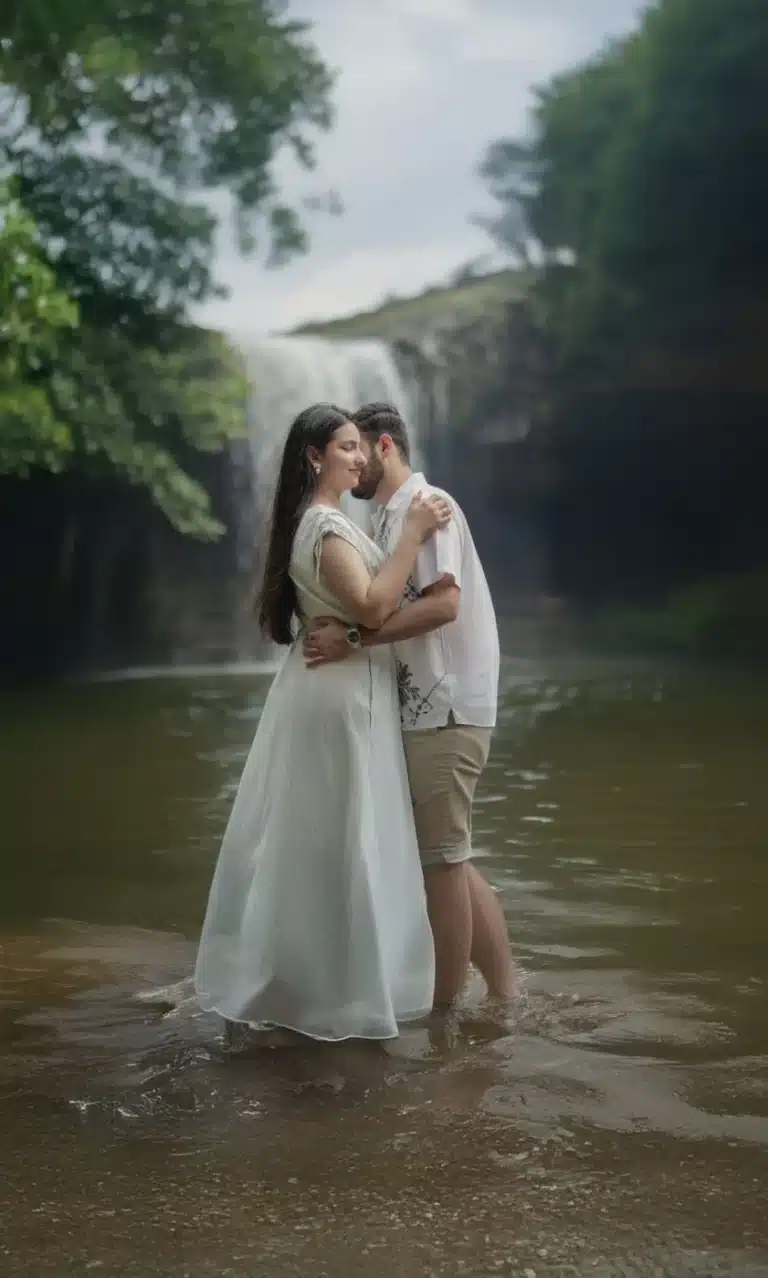
One team or two – coordination is the real decision
You can hire one studio for both photography and film, or separate specialists. Either works, but only if they coordinate before the wedding day. Photo and video shooters want the same angles at the same moments, and without a plan they end up in each other’s frames during the entry, the pheras and the first dance.
A shared timeline fixes most of it: who leads each moment, who shoots wide while the other goes close, where each stands during the ceremony. When one studio covers both, this coordination is built in. When two teams collaborate, ask for a short joint call before the wedding – fifteen minutes that prevents a day of quiet collisions. Our guide to how wedding photography teams are structured explains the roles involved.
Plan the big moments for both mediums
Every key moment needs a plan that serves stills and film together. The couple’s entry: film wants the continuous walk, photo wants the frozen peak of it – both need an unobstructed lane. The pheras: film needs a stable wide angle for the full ritual while the photographer moves for close frames. The ring exchange, the sindoor, the first look – each lasts seconds and rewards a pre-agreed position for each camera.
Tell both teams about surprises. A planned pyro, a flash-mob performance, an emotional gift, a grandparent’s blessing – film especially cannot repeat a missed moment, because its power is the live sound. A short shared run sheet, like the one described in our reception photography guide, keeps everyone ready instead of reacting.
Audio is the invisible half of the film
Couples plan visuals carefully and rarely think about sound. Film teams capture vows and speeches with small microphones worn by the groom or placed near the priest and the podium. Simple things help: keep the DJ’s speakers pointed away from the mandap during rituals, pause loud music during speeches, and tell the film team who will speak and when.
If you are writing personal vows or planning a reading, share that early. A microphone appears exactly where it is needed only when someone knew it would be needed.
Light and time serve both crafts
Photography can freeze a dark dance floor with a flash; film cannot. Video needs continuous light, which is why the lighting choices discussed in our wedding decor photography guide – warm white on faces, colour for the room – serve the film even more than the photos. Mention the film to your decorator and DJ lighting vendor, not just the photographer.
Film also needs time. A cinematic highlight draws on calm footage: the venue before guests arrive, details filmed slowly, the couple’s portrait session. Protect those quiet windows in the schedule. Aerial shots for the film follow their own rules; our drone photography guide covers permissions and timing for those.
Decide what you want delivered
Films come in shapes: a full documentary edit of each function, a cinematic highlight of a few minutes, short reels for sharing. Decide what you actually want before the wedding, because each shape is shot a little differently – reels want vertical frames and quick moments, a documentary wants complete rituals, a highlight wants emotion and scenery. Clarity here is the difference between a film you watch yearly and files you never open.
You are welcome to browse our wedding portfolio to see how photo and film coverage come together across real Indore weddings. When you are ready to plan your own day, get in touch with the studio – we shoot both, and we are glad to explain how the coordination works.