
Roka ceremony photography begins with understanding what the day actually is: the first official announcement that two families have agreed to a wedding, and often the first time both sides gather to celebrate. It is smaller than the engagement party and warmer than a formality, usually held in the family living room with sweets, blessings and an exchange of gifts. Compact and emotional, it photographs beautifully when someone knows what to expect. This guide covers how the ceremony unfolds and how to plan pictures that do it justice.
What Happens at a Roka
Customs differ between families and regions, so treat this as a starting point, not a rulebook. Typically the groom’s family visits the bride’s home, elders offer blessings, and the couple receives gifts, shagun or a token such as a dupatta or ring. Sweets are shared, and in many families a small puja or prayer opens the gathering. The whole event can wrap up in a couple of hours, so there is no second take on the blessing moment. Ask both families in advance what their version includes, and share that sequence with your photographer.
Why the Roka Deserves Its Own Coverage
Couples sometimes assume the smaller ceremonies can fend for themselves on phone cameras, then regret it when the only record of a grandmother’s blessing is a blurry clip. The roka is often the first chapter of the wedding story, sitting naturally alongside the bigger events that follow, from the mehndi ceremony to the haldi ceremony and the sangeet night. A dedicated set of photographs lets the album tell the story from the beginning rather than starting mid plot.
Preparing the Home and Outfits
Most rokas happen at home, so light and space do more for the photographs than any decoration. Clear one well lit corner near a window for the ceremony seating, keep the background tidy, and let the photographer scout the room before guests arrive. Some families book a small hall or temple room instead, and the same preparation applies there. Outfits tend to be festive but comfortable: a saree or suit for her, a kurta or bandhgala for him, in colours that complement rather than match exactly. If older relatives will sit for blessings, arrange chairs with armrests so elders sit comfortably through the rituals.
The Moments a Photographer Looks For
The heart of roka coverage is interaction, not posing. The welcome at the door, the elders placing a hand on the couple’s heads, the exchange of gifts, the first sweet fed to each other, and the laughter in between all carry the story. Detail shots of the shagun thali, the sweets and the rings add texture. A photographer familiar with family ceremonies, like the coverage described in our chooda ceremony photography guide, will work quietly around the rituals instead of interrupting them for setups.
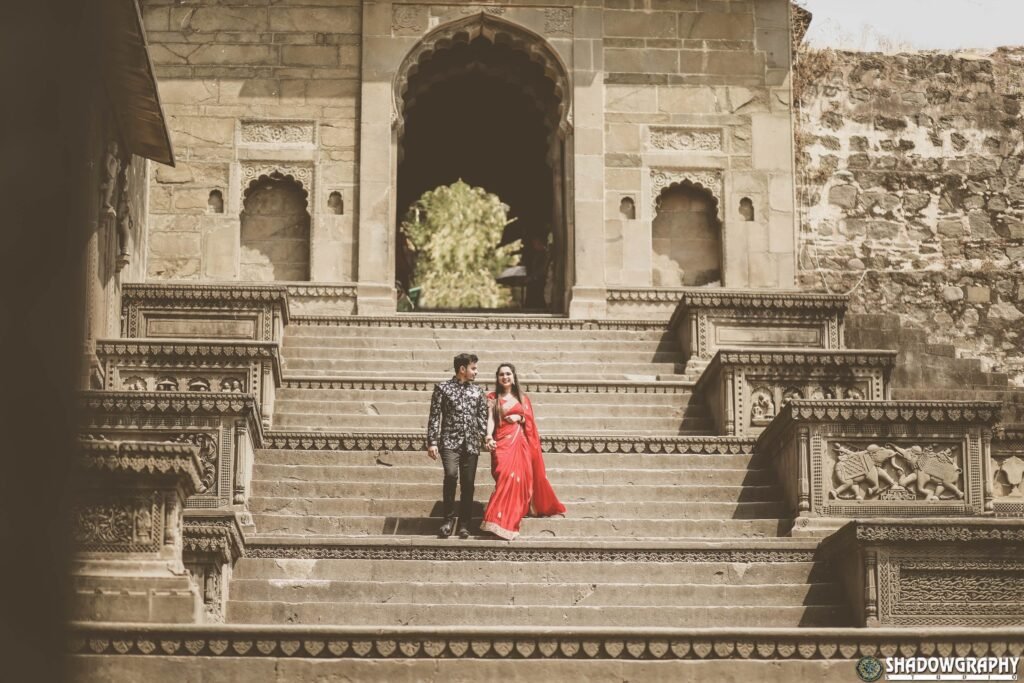
Family Portraits Without the Chaos
Group photographs at a home ceremony go wrong for one reason: nobody is in charge. Nominate one person from each side to gather their family, shoot the biggest group first while patience is fresh, then break it into smaller combinations. A short agreed list keeps this to minutes rather than half an hour, and our family wedding photo checklist shows how to build one. Leave ten unscripted minutes at the end for the couple alone, since those frames often become the favourites.
Getting the Most From Your Roka Photos
Because the roka comes first, its photographs have a longer working life than any other event’s. Families use them for announcements, save the date cards and invitations, so mention these plans before the day. A short set of highlights delivered quickly can be more useful than the full gallery months later. If your own roka is on the calendar and you would like it remembered properly, the contact page is the easiest place to begin a conversation with our studio.