
Court marriage photography is about honouring a wedding day that chooses the registrar’s office over the banquet hall. This route can suit couples who want a simple legal union, an interfaith or inter-caste marriage, or privacy. It is still the day two people become family to each other, and it deserves photographs that treat it that way. This guide explains how to prepare for the day and how to plan pictures that feel as meaningful.
What Happens at a Court Marriage
Procedures vary by state and by the couple’s circumstances, so confirm the exact steps with the local registrar well in advance. For reference, the government’s marriage registration guidance outlines the Special Marriage Act process: written notice to the marriage officer, a thirty-day notice period, and the couple signing before the officer with three witnesses. Couples who have already held a religious ceremony can ask the registrar about registering that marriage instead, which follows a different process. Some couples add a personal touch afterward, such as exchanging rings or garlands on the steps outside. Tell your photographer the appointment time and the expected sequence so nothing is missed.
Why a Photographer Still Matters
A short ceremony is not the same as an unimportant one. The signing of the declarations, the witnesses’ reactions, and the first minutes as a married couple happen once, and phone snapshots in a busy office rarely do them justice. Couples who choose intimacy often appreciate the approach used for an elopement: a quiet professional who works around the moment instead of staging it. If you are earlier in the journey, our guide to proposal photography covers how the story often begins.
What to Wear and Bring
Check the relevant office’s clothing and security rules before selecting your outfits, then wear what feels like you at your best: a saree or a smart suit, a sherwani or a simple blazer. Carry every document the registrar has listed, since a missing paper can postpone the day, and keep outfits comfortable for waiting rooms. Witnesses generally need their own identification, so brief them early.
The Moments Worth Capturing
The heart of the coverage is anticipation and relief: arriving together, the wait outside the office, the signing, the pen changing hands, the first smile after the certificate is issued. Portraits afterward can happen just outside the building or at a nearby spot that matters to you. Much of this happens indoors under mixed light, and our guide to indoor wedding photography explains how photographers handle exactly those conditions.
Planning a Short Portrait Session
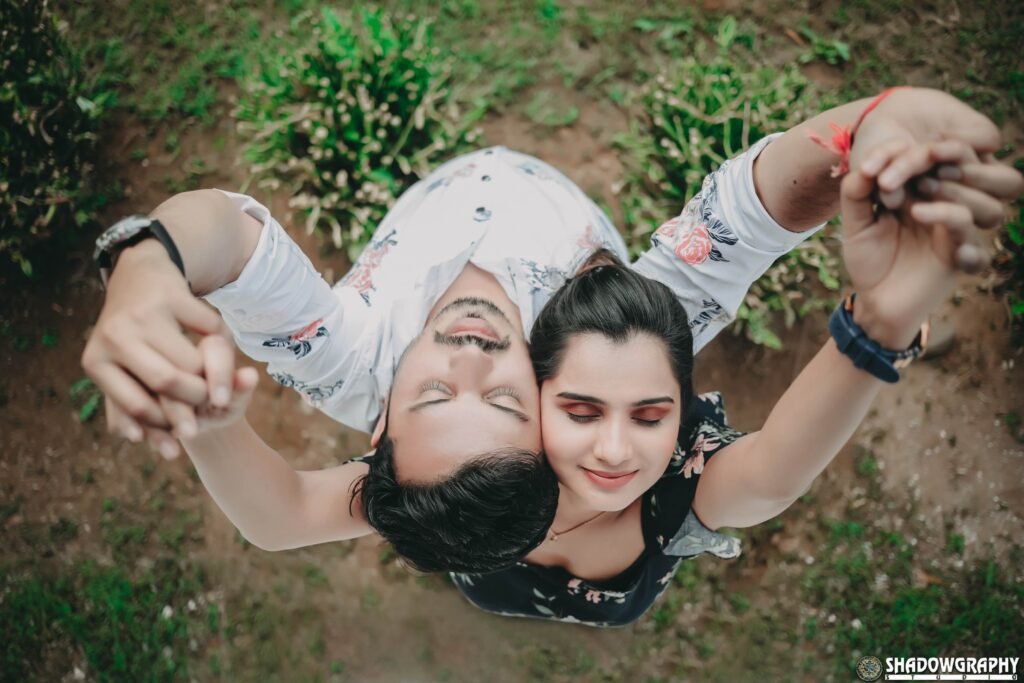
Since the ceremony itself offers little time for posed pictures, many couples add a short portrait session the same day. Pick one location close by, such as a garden, a heritage building or the cafe where you first met, and keep the plan simple. These photographs often become the ones families frame, so think about which combinations matter: the two of you, the witnesses, and any parents present. Later, our guide to wedding album photo selection can help you choose the frames that tell the day best.
After the Certificate
Many couples follow the formalities with a small celebration: a family lunch, a dinner with the witnesses, or a larger reception weeks later. Photographs from the day are usually what gets shared with relatives who could not attend, so ask when highlights can be expected. Some couples return for an anniversary photoshoot to mark the date in later years. If a court marriage is on your calendar and you would like it remembered properly, the contact page is the easiest place to begin a conversation with our studio.