
Elopement photography has grown from a niche request into a genuine choice for couples who want their wedding day small, personal and unrushed. An elopement usually means just the two of you, or a handful of the closest people, exchanging vows somewhere meaningful instead of hosting a full traditional event. This guide walks through how couples plan one, from picking the place to making sure the photographs do the day justice.
Why Couples Choose to Elope
The reasons are rarely about rebellion. Some couples want to spend their budget on the marriage rather than the party, some want privacy for a moment that feels sacred, and some simply find large gatherings stressful. An elopement compresses the day to what matters to you two: the vows, the setting, and time together. Many couples later host a relaxed reception at home, which lets them share the celebration without turning the ceremony itself into a production. Whatever the reason, the choice tends to work best when both people genuinely want it, not as a compromise one of them is quietly mourning.
Picking a Place That Feels Like Yours
Eloping frees you from venue logistics, so the setting can be almost anywhere: a hilltop at sunrise, a quiet beach, a heritage courtyard, a forest clearing. Choose somewhere you can realistically reach in wedding clothes, and check access rules early, since some spots need permits or have restricted hours. Our guide to a wedding venue photography walkthrough explains how photographers evaluate a location, and the permits side is covered in our piece on pre wedding shoot permissions.
Handling the Legal and Family Side
Marriage registration rules vary by place and personal circumstances, so confirm the paperwork requirements with the local registrar well before the date. On the family side, most couples find that honest, early conversations land better than announcements after the fact. Sharing the plan, and promising a celebration later, usually softens disappointment. Budget-wise, eloping often costs a fraction of a full wedding, and our guide on pre wedding shoot budget planning can help you think through where the money goes.
What to Wear and Pack
Wear what makes you feel like yourselves on your best day, whether that is a full lehenga and sherwani or something simpler. Practical details matter more when you are far from home: comfortable shoes for the walk in, a small kit with safety pins and water, and a backup layer if the weather turns. If your spot involves a hike or a boat, plan outfits you can change into at the location rather than travel in. A small bouquet and one piece of family jewellery can carry the wedding feeling without any fuss.
How Elopement Photography Works
With no crowd to manage, the photographer becomes a quiet witness, often doubling as a guide to light and timing. Most elopement coverage runs a few hours: getting ready, the ceremony, and a portrait session afterward. Understanding how light shapes the mood of a frame helps, and our guide to wedding photography lighting is a good primer. Even a tiny wedding benefits from a loose flow for the day, and our wedding day photography timeline piece shows how to sketch one.
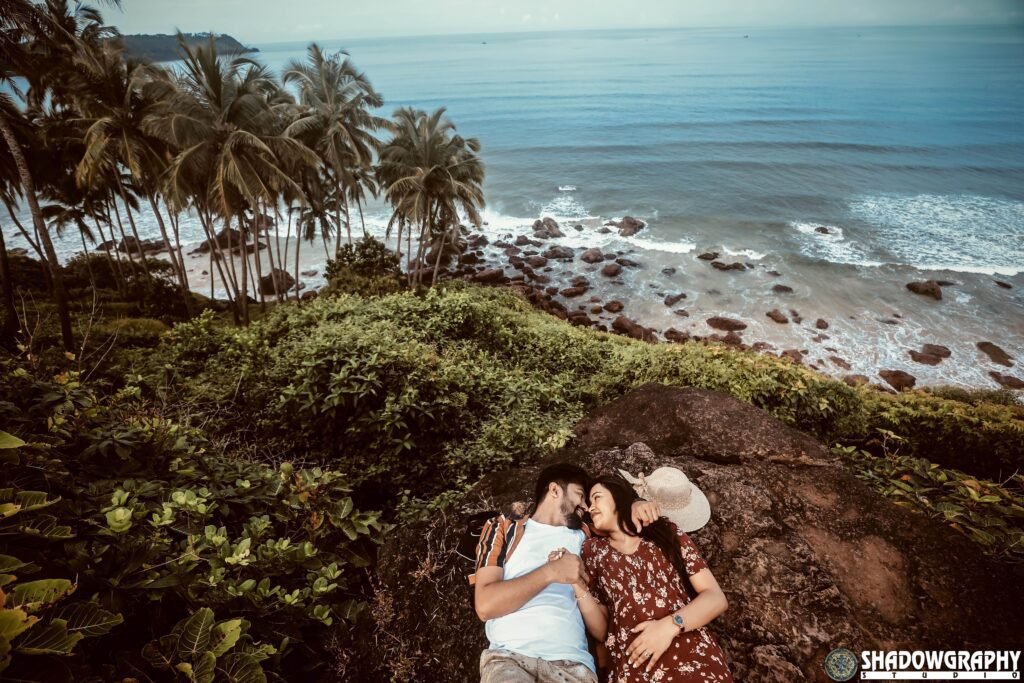
Making the Day Feel Like a Celebration
Small does not have to mean plain. Write personal vows, bring a playlist for the drive, carry a small cake or a bottle of something special, and plan a memorable meal to end the day. Some couples livestream the ceremony for family, others record a video message to share later. If an intimate wedding of your own is taking shape, the contact page is the easiest place to begin a conversation with our studio.