
First look wedding photos capture a planned moment when a couple sees each other before the ceremony. Some couples choose a quiet meeting with the photography team nearby. Others prefer their first sight of each other to happen during the ceremony itself. Neither choice is automatically better.
For Indore couples, the decision should fit your comfort, family expectations and actual wedding schedule. A first look is an option, not a photography requirement. This guide helps you decide whether it belongs in your day and how to plan it without turning a personal moment into a performance.
What is a first look at a wedding?
A first look is an arranged meeting before the ceremony, usually after both people are ready. The team chooses a suitable place and photographs the meeting. You can keep it brief, allow time to talk or combine it with a short couple portrait session.
It does not need to follow a fixed pose. One person might walk towards the other, or you might simply meet in a quiet space. Agree the setup before the day so nobody is waiting for instructions while feeling nervous.
A pre-wedding shoot is different: it takes place separately from the wedding day. A first look belongs to the wedding schedule and needs to respect everything else happening that day.
1. Start with the experience you want
Ask each other whether a private meeting sounds comforting or whether you would rather wait for the ceremony. Your answers matter more than a photograph you saw online. One person may like having a quiet conversation first; the other may attach meaning to seeing their partner during the entrance.
Do not agree just because someone says it will produce a more emotional picture. A planned meeting cannot guarantee tears, surprise or a particular reaction. A smile, a laugh or a calm conversation can be just as true to you.
If you are unsure, describe the experience rather than choosing a label: “We want five quiet minutes together before guests arrive” is a useful preference to share with the team.
2. Check family and ceremony expectations early
Before building the schedule around a first look, discuss whether meeting beforehand fits your celebration. Families and ceremonies differ. Do not assume that an idea used at another wedding is suitable for yours.
Ask the people organising the ceremony about any restrictions on movement or timing. The photographer can plan coverage, but should not be expected to decide religious or family customs. If the answer is no, choose another portrait window without treating it as a lost opportunity.
A clear decision in advance is kinder than asking someone to reconsider on the wedding morning when preparations are already busy.
3. Build the meeting into the real schedule
A first look needs both people ready, a place available and the team in position. It may also need travel between preparation rooms and the meeting point. Allow for outfit adjustments, jewellery, a short rest and any family activity that must happen beforehand.
Work backwards from the ceremony start rather than inserting the meeting into a gap that only exists on paper. Decide when each person needs to leave the room, who will guide them and what happens if preparation runs late.
Use our Indian wedding photography timeline guide to discuss the full sequence. Protect a little buffer instead of expecting every step to finish at its earliest possible time.
4. Choose a quiet, accessible place
A beautiful background is useful only if you can reach it comfortably and use it safely. Consider stairs, footwear, heavy clothing, heat, shade, nearby guests and whether other vendors need the same space.
Ask the team to assess the light and sightlines. A calm corner may work better than a busy entrance even if the entrance looks grander. Keep a nearby alternative in mind if the first choice becomes crowded or the weather changes.
Check permission with the venue or organiser rather than assuming every courtyard or room is available. Do not build the plan around a location you have not been allowed to use.
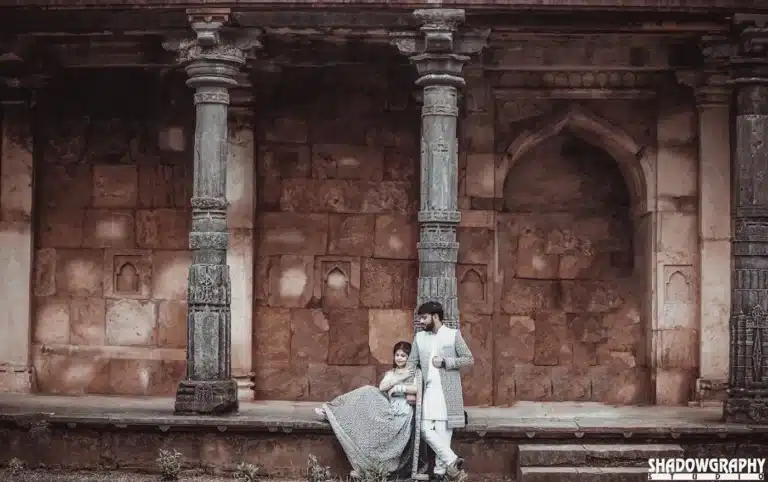
5. Decide who will be present
Private means different things to different couples. You may want only the photography team, a sibling nearby or your parents watching from a distance. Tell everyone the plan so people do not gather unexpectedly.
If you want a conversation without audio recording, say so. If video coverage is important, discuss where the video team will stand and whether any microphone setup is needed. Do not assume that a photo plan automatically includes a particular video arrangement.
Keep the number of people giving directions small. One agreed contact can guide you into position while the rest of the team works quietly.
6. Keep the setup simple
Agree how you will approach each other, then leave room for a real response. You do not need a rehearsed speech, repeated turn or surprise accessory unless you genuinely want one.
Tell the photographer about anything uncomfortable: standing alone for too long, being touched unexpectedly, walking backwards or having several cameras close to your face. There are other ways to set up the meeting.
After you meet, pause before moving straight into poses. If you want time to speak, make that part of the plan. A short portrait session can follow, but it should not swallow the whole window.
7. Agree a late-running fallback
Decide which matters more if time gets tight: the quiet meeting, the extra portraits or reaching the ceremony calmly. That helps the team adapt without asking you to make several new decisions while dressed and ready.
You might shorten the portrait session, move the meeting closer to the preparation rooms or skip it and meet at the ceremony. Avoid rushing across the venue simply to preserve an optional item.
Add this priority to your wedding photography brief. A fallback is a way to protect the day, not an expectation that something will go wrong.
Alternatives if a first look is not for you
You can plan couple portraits after the ceremony, share a private note beforehand or arrange separate portraits while each person gets ready. Choose only what feels suitable, and check that it fits your customs and schedule.
You can also leave the first meeting unplanned and ask the team to cover the ceremony entrance. The important point is that the team knows your preference and can prepare for the moment you have chosen.
Frequently asked questions
Do first look wedding photos replace ceremony photos?
No. They are a separate part of the day. Discuss both with the team and do not assume one changes the coverage of the other.
How much time should we reserve?
There is no single duration for every wedding. The meeting, walking time, video setup and any portraits all affect the window. Ask your team to suggest a plan based on your venue and priorities.
Should we do a first look if one of us is camera-shy?
Only if the experience feels comfortable. A quiet setup might help some people, while others would feel more watched. Talk about that before choosing.
Choose the moment, then plan the photos
First look wedding photos should support the way you want to experience your wedding. Agree the idea together, respect ceremony expectations and give the team a clear plan with a fallback. Discuss your priorities with Shadowgraphy Studio so your couple-photo time fits the celebration rather than competing with it.